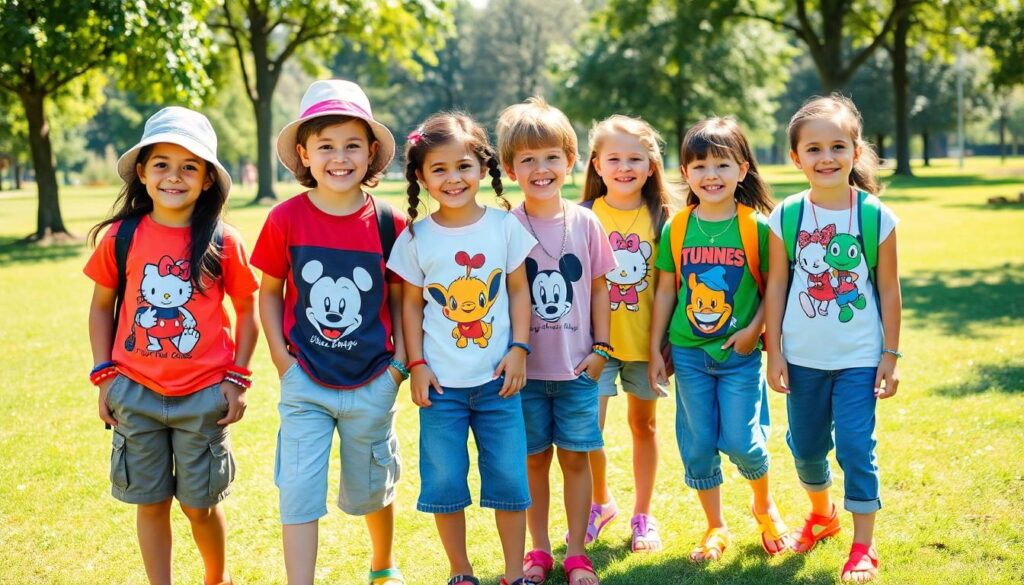
Remember the days when cargo shorts were the epitome of style and neon colors ruled the playground? The 2000s were a wild ride for kids’ fashion, blending quirky trends with a dash of nostalgia that still makes us chuckle today. From oversized graphic tees to those infamous jelly sandals, this era was all about expressing individuality—sometimes with hilarious results.
Overview of 2000s Kids Fashion
2000s kids fashion showcased vibrant and playful trends. Cargo shorts, often paired with graphic tees, became staples in many wardrobes. Brightly colored jelly sandals flashed in the sunlight during summer outings. Accessories included colorful rubber bracelets and chunky necklaces that added flair to any outfit.
Looser fits characterized most clothing choices, allowing kids to play freely without restrictions. Denim, especially in the form of capris and skirts, remained popular among older children. Logos and slogans adorned many apparel items, giving a unique voice to each style.
Trendy items like tracksuits took center stage as comfortable yet fashionable options. Kids embraced brand-name clothing, showcasing labels such as Abercrombie & Fitch and Hollister on their shirts and hoodies. Graphic prints of popular cartoons and bands added a touch of personal expression, making each outfit memorable.
Fashion icons like Britney Spears and the cast of “Lizzie McGuire” influenced many kids, who mimicked their styles in school. Notably, the prevalence of cargo pants raised eyebrows; these versatile pieces combined fashion with practicality.
Reflecting on this era reveals the creativity that defined kids’ fashion in the 2000s. Choices encouraged individualism, leading to unique and sometimes amusing combinations. This exploration of bold patterns, bright colors, and playful themes captured the essence of an unforgettable decade in children’s style.
Iconic Trends
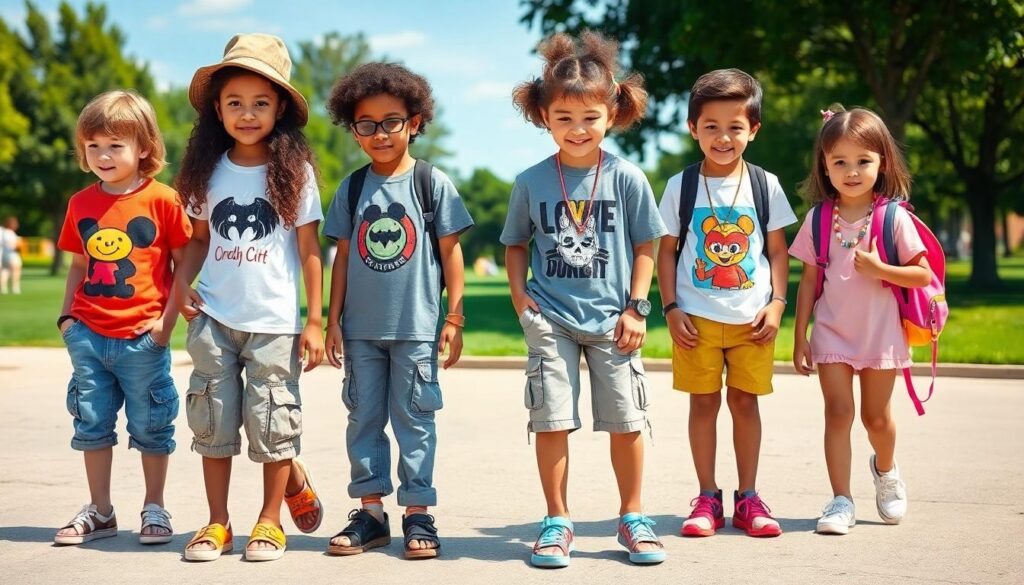
The 2000s saw a vibrant mix of playful styles that defined kids’ fashion. Trends during this era encouraged creativity and self-expression.
Apparel
Cargo shorts became a favorite among kids, offering practicality and comfort. Oversized graphic tees featured bold designs, often showcasing favorite cartoons or bands. Denim became a versatile staple, appearing in various styles like capris and skirts. Tracksuits emerged as another popular choice, blending sporty aesthetics with casual wear. Brand-name clothing from Abercrombie & Fitch and Hollister appealed to many, creating a sense of belonging among peers. Bright colors made every outfit eye-catching, while loose fits allowed kids to run and play freely.
Accessories
Accessories amplified the playful nature of 2000s fashion. Colorful rubber bracelets adorned many wrists, with some sporting slogans or friendship themes. Chunky necklaces added flair, often showcasing fun charms related to pop culture. Jelly sandals became a must-have footwear item, known for their vibrant hues and comfort. Hats, particularly bucket hats, offered both style and sun protection. Kids accessorized with backpacks featuring logos, ensuring they remained trendy at school. Each accessory contributed to a unique look, reflecting individual personalities.
Influential Brands
The 2000s fashion scene for kids featured several influential brands that shaped trends during the era.
Popular Retailers
Retailers like Abercrombie & Fitch and Hollister dominated the youth market. These brands offered stylish apparel that appealed to a younger audience. Target and Walmart provided accessible versions of trendy clothing. Stores such as Old Navy and Gap targeted budget-conscious families, offering solutions for matching family outfits. Justice catered specifically to young girls, featuring bright colors and fun patterns. Stores like PacSun embraced a laid-back, California vibe, attracting kids with its surf-inspired fashion. Each retailer contributed to the vibrant and eclectic style of the decade, making what was once niche more mainstream.
Designer Collaborations
Designer collaborations took kids’ fashion to new heights. Notably, partnerships between high-fashion labels and mass-market brands emerged. Marc Jacobs collaborated with Kids’ clothing lines to blend luxury with affordability. Collaborations with brands like Vans introduced iconic patterns and styles for children. Diesel partnered with retailers to create playful yet edgy clothing. These collaborations showcased unique designs, giving kids an opportunity to wear fashionable items. Collectively, designer partnerships elevated the aesthetics of 2000s children’s fashion, fostering excitement among young trendsetters.
Cultural Impact
2000s kids’ fashion significantly shaped youth culture. The playful styles allowed for personal expression, making vivid statements in schools and playgrounds. Individuality thrived through bold choices like cargo shorts paired with oversized graphic tees, which encouraged creativity. Vibrancy characterized the decade, with jelly sandals and colorful accessories, like rubber bracelets, become essential fashion staples.
Fashion icons, including Britney Spears and the cast of “Lizzie McGuire,” influenced many kids’ choices. These figures inspired young trendsetters to adopt similar looks, reinforcing peer influence. Denim proved to be a versatile fabric, accommodating multiple styles, while brand-name affiliations cultivated a sense of belonging among children. Tracksuits bridged the gap between comfort and style, appealing to active lifestyles.
Retailers played crucial roles in shaping these fashion trends. Abercrombie & Fitch and Hollister ruled the youth market, while Target and Walmart provided accessible alternatives. Old Navy and Gap twinned quality with affordability for budget-conscious families. Stores like Justice focused on vibrant patterns tailored for young girls, pushing the envelope for youthful fashion.
Designer collaborations further amplified this movement. Unique partnerships, such as Marc Jacobs with select brands, merged luxury with affordability. Brands like Vans and Diesel offered playful yet edgy styles that resonated with the youth. Collectively, these elements lifted 2000s kids’ fashion, making eclectic styles part of everyday culture and solidifying a distinctive decade in children’s clothing.
The fashion trends of the 2000s left an indelible mark on children’s style. This vibrant decade celebrated individuality through playful clothing choices and bold accessories. From cargo shorts to oversized graphic tees, kids expressed themselves in ways that were both fun and practical.
The influence of iconic brands and retailers shaped the landscape of children’s fashion, making trendy styles accessible to many. With a mix of comfort and creativity, the 2000s fostered a unique sense of belonging among young trendsetters. As nostalgia for this era continues to grow, the spirit of 2000s kids’ fashion remains a cherished memory for many.