When it comes to fashion design for kids, you may think it’s all about cute clothes and colorful patterns. But there’s a hidden world where fun meets function. After all, who hasn’t seen a child twirl in their favorite outfit, beaming with confidence? In this text, we will explore how fashion impacts children’s development, jump into current trends, and discuss how kids can get involved in the process. Plus, let’s not forget sustainability, because the only thing more important than looking good is feeling good about what you wear.
The Importance Of Fashion Design In Children’s Development
Fashion design for kids is more than just creating stylish outfits. It plays a crucial role in several areas of childhood development. First, it fosters self-expression. Just like adults, children use their clothing to showcase their personalities and creativity. When they choose what to wear, they develop decision-making skills and confidence in their individuality.
Besides, engaging with fashion encourages cognitive growth. As kids pick out clothes, they consider color coordination, patterns, and styles that resonate with them. This interaction with design concepts helps build their critical thinking skills. Also, experiencing different textiles can enhance fine motor skills through the process of dressing and undressing.
Here’s a fun fact: a child’s emotional development can also be linked to their clothing choices. When they wear something they love, it can boost their mood, making them feel more self-assured. In this way, fashion design not only serves aesthetic purposes but also contributes to the holistic growth of children.
Exploring Trends In Children’s Fashion
Trends in children’s fashion are constantly evolving. What was popular last season may not even make it to the next. Today’s fashion for kids showcases everything from streetwear to whimsical themes inspired by nature or characters from popular media. Notably, there’s been a rise in gender-neutral clothing, allowing kids more freedom to express themselves without societal constraints.
In the realm of colors, bright and vibrant shades have made a remarkable comeback. Bold patterns are everywhere, whether it’s a fun geometric design or playful animal prints. But, comfort hasn’t taken a backseat: soft, breathable fabrics remain paramount in children’s wear. Parents want their children to look stylish, but they also want them to feel comfortable while doing somersaults on the playground.
Also, technology is changing how kids interact with fashion. With the advent of digital fashion shows and virtual try-ons, children are becoming more engaged and informed about what they wear. Such innovations are likely to inspire the next generation of fashion designers to think outside the box.
Essential Elements Of Kid-Friendly Fashion Design
Designing fashion for kids comes with its unique set of challenges. Safety is the foremost concern. Clothes should be comfortable, functional, and free from choking hazards, think small buttons and long strings. Parents will always be on the lookout for clothes that allow for easy movement, especially for active kids.
Another essential element is durability. Children can be little whirlwinds, so clothes need to withstand the test of time (and the occasional spaghetti incident). This means using high-quality fabrics and reinforced stitching to ensure they last beyond one season.
Also, style should never compromise practicality. Outfits that can transition from school to playdates are a hit among parents. Versatile pieces, like leggings that can be paired with tunics or t-shirts that go great under dresses, are excellent choices.
Finally, personalization is a growing trend. Fashion design for kids is trending towards unique elements, like custom prints or the option to pick patches or accessories. This way, children feel more connected to their clothes.
Sustainable Fashion Choices For Kids
As awareness around environmental issues grows, sustainable fashion choices are becoming more prominent in the realm of children’s clothing. Parents today prioritize eco-friendly materials and ethical production methods. This trend aligns perfectly with the global push towards sustainability.
Organic cotton and bamboo fabrics are gaining popularity because they are soft, hypoallergenic, and eco-conscious. Even recycled materials have found their place in children’s fashion, proving that style doesn’t have to come at the cost of our planet.
Also, thrift shopping and second-hand clothing are now chic options for many families. Not only does this cut down on waste, but it also introduces kids to unique and vintage items that can’t be found in regular stores.
Also, educational initiatives around sustainability in fashion are becoming more common. Workshops that teach young designers the importance of eco-friendly practices instill a sense of responsibility and creativity in them at an early age.
Tips For Aspiring Kid Fashion Designers
If your child has a flair for fashion, why not encourage their creativity? Here are a few tips to nurture their budding interest:
- Provide Materials: Start with basic sewing kits or craft supplies to allow them to experiment. Old clothes can be repurposed, giving them the opportunity to create something unique.
- Attend Workshops: Look for local fashion design workshops aimed at kids. These environments often foster learning and collaboration.
- Follow Inspirations: Encourage them to follow fashion accounts on social media platforms designed for kids. Seeing others can ignite their passion.
- Create a Fashion Board: Help them build a vision board with clippings from magazines or online inspirations. This way, they can visualize their ideas.
- Celebrate Unique Styles: Allow them to explore various styles without judgment. Every idea counts, no matter how far-fetched it may seem.
Collaborating With Kids: Engaging Young Creatives
Engaging children in the design process can be incredibly rewarding. Collaborating with young creatives allows for fresh perspectives and innovative ideas. First and foremost, listening to their ideas is key. It’s essential to create an open environment where their voices are heard, ensuring they feel valued in the collaboration.
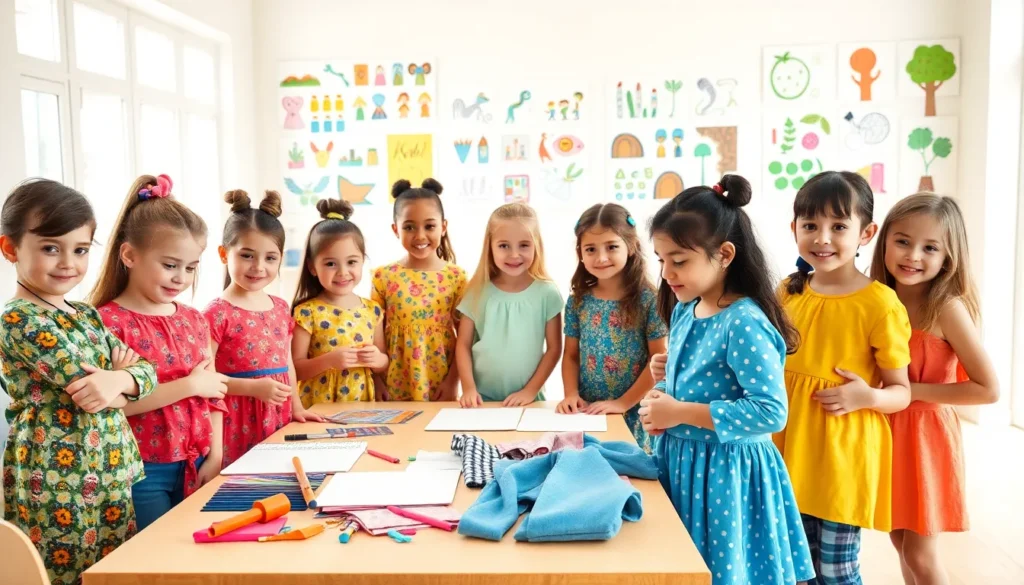
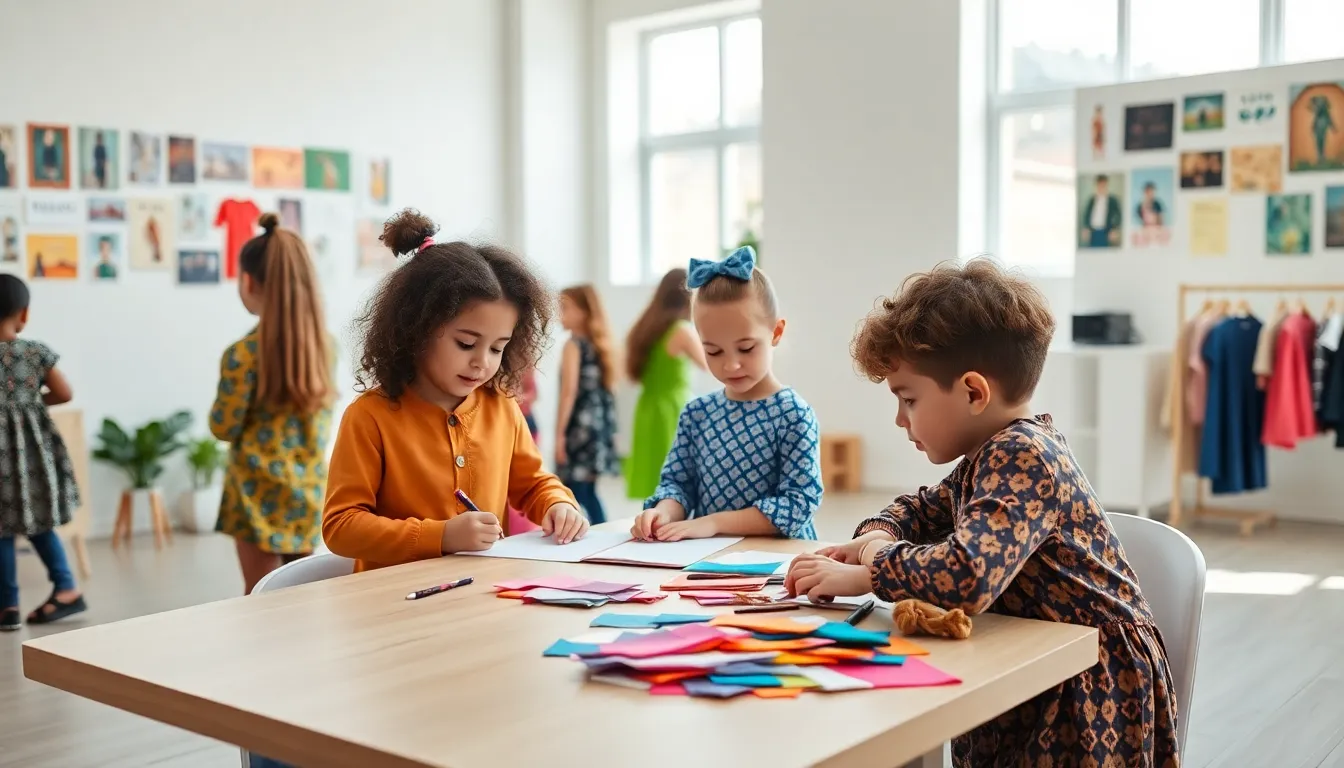
Workshops that help group activities can spark collaboration among children. They could work together to create a mini-fashion show showcasing their designs. Encouraging teamwork fosters not only creativity but also essential social skills.
When designing for kids, consider including them in the feedback loop. Young designers often have the most honest opinions about their creations. Their insights can be invaluable in understanding how to make clothing not just stylish but wearable and enjoyable.
Eventually, involving kids in fashion design fosters a sense of ownership. It paves the way for self-assurance and drives a passion for creativity that can last a lifetime.